Tongue & Groove- Ceilings & Cladding
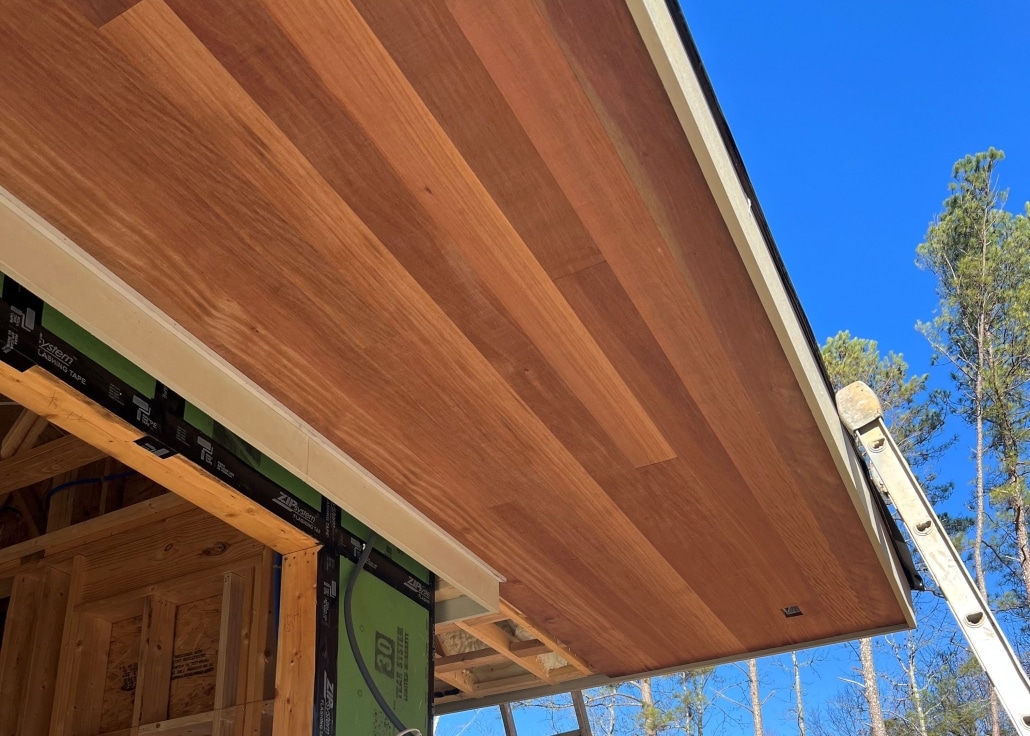
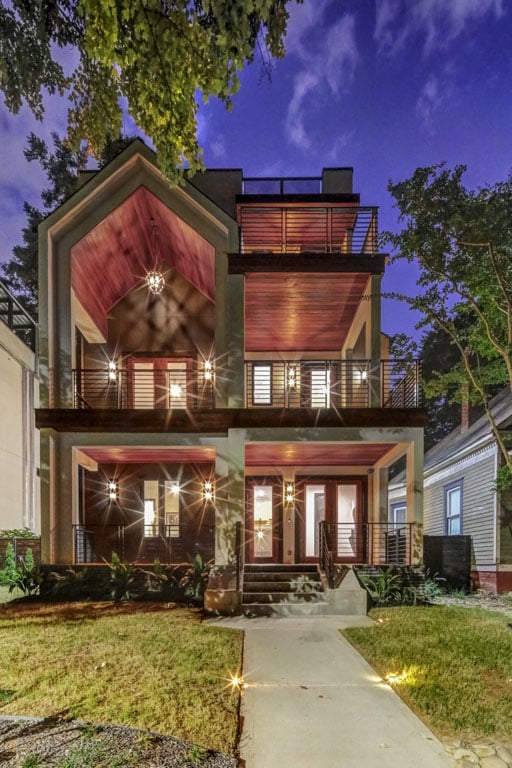
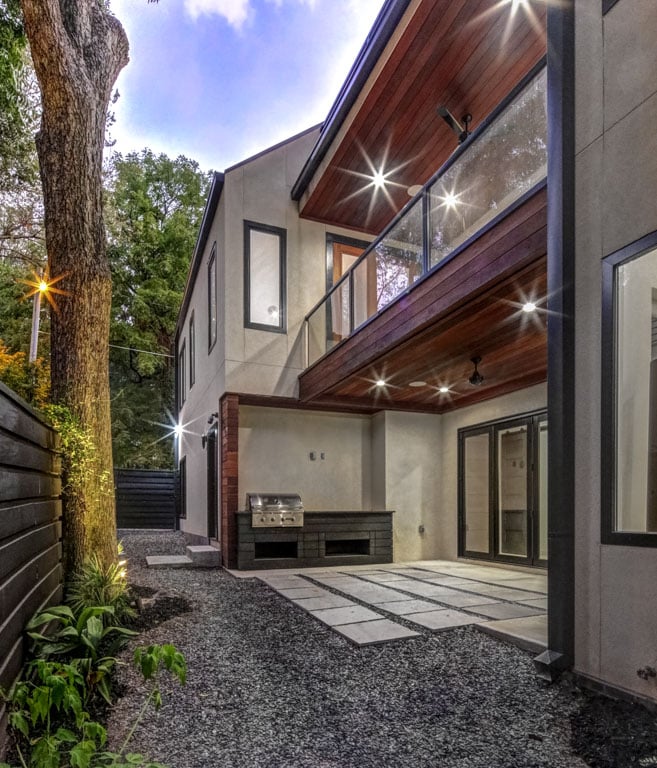
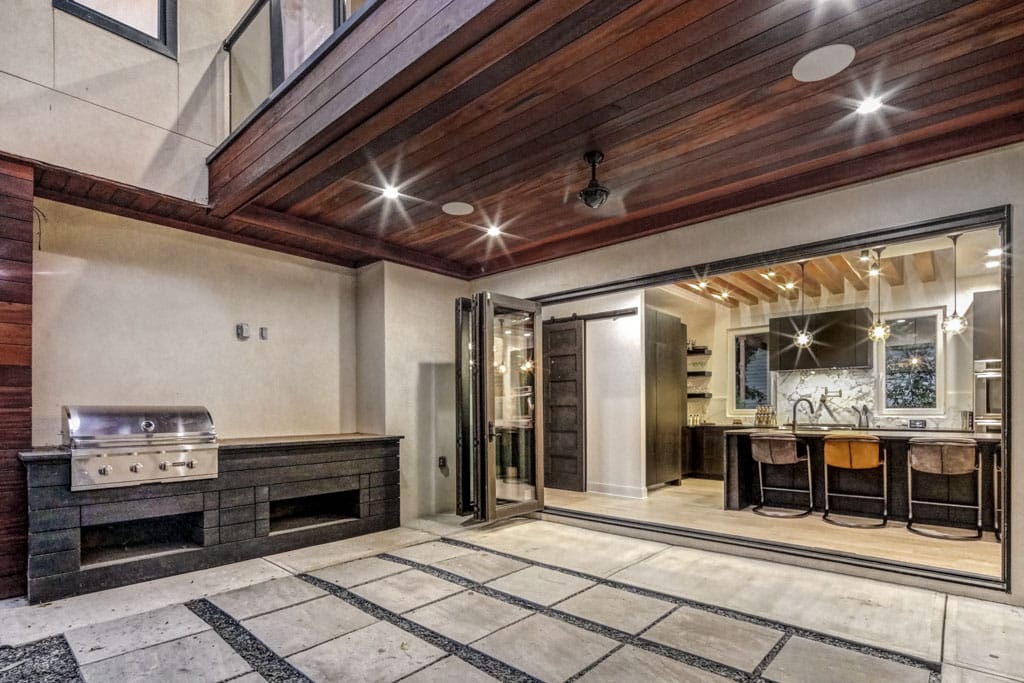
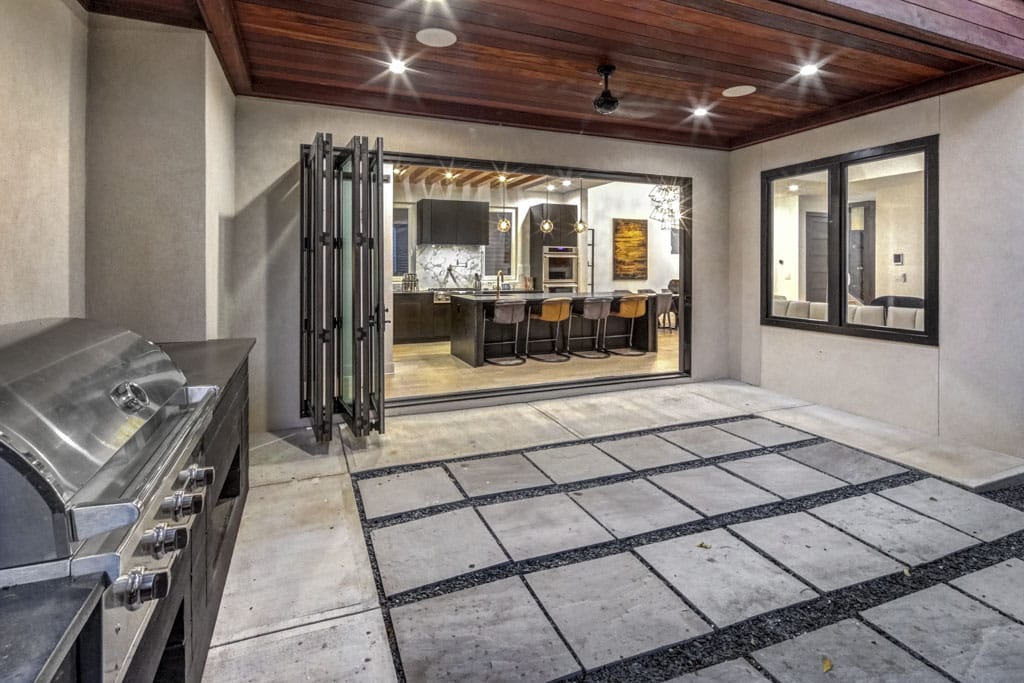
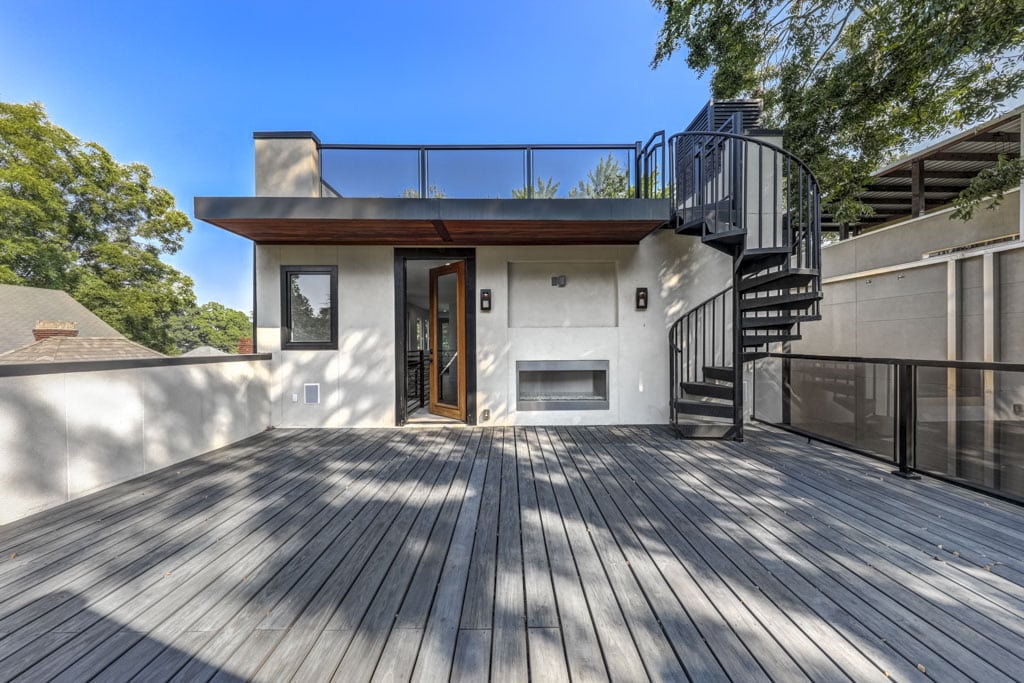
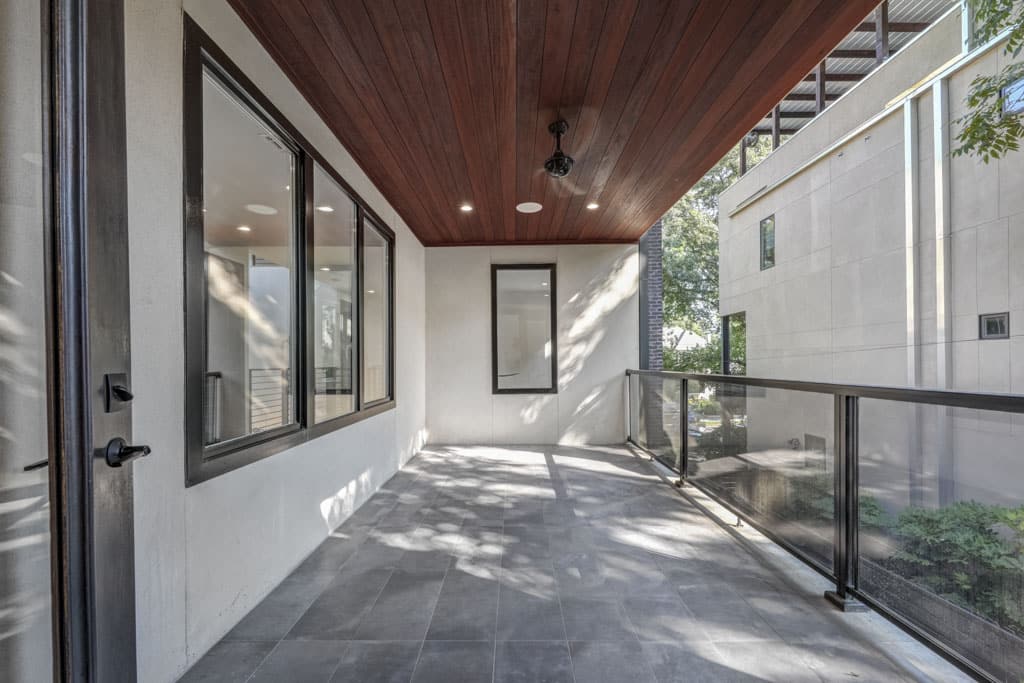
Hardwood Tongue & Groove (T&G) cladding is an elegant solution for non–weather-exposed applications such as ceilings, soffits, and protected walls. When used in the right environments, T&G creates a warm, finished surface that feels architectural and intentional—far beyond what painted soffit panels or basic siding can offer.
Because these installations are protected from direct rain and prolonged sunlight, Tongue & Groove hardwoods perform exceptionally well without the need for complex drainage systems or airflow gaps.
👉 Explore all Tongue & Groove hardwood species, profiles, and product options →


Where Tongue & Groove Cladding Works Best
Tongue & Groove hardwood is designed for covered or protected areas, where moisture exposure is minimal and airflow requirements are reduced. In these environments, the tight-fitting T&G profile becomes an advantage—creating a clean, seamless appearance. Common applications include:
- Interior ceilings
- Exterior ceilings and soffits (under roof cover)
- Interior feature walls
- Exterior walls that do not receive full weather exposure
- Columns and wrapped structural elements
- Specialty architectural details, including doors and panels
Why Furring Strips Are Often Not Needed
In traditional exterior wall systems, furring strips and rainscreens are used to promote airflow and manage moisture. In covered T&G ceiling and cladding applications, these concerns are greatly reduced.
When Tongue & Groove hardwood is installed in:
- Covered porches
- Roofed soffits
- Interior spaces
…there is no direct rain exposure and limited UV exposure. As a result, furring strips are often unnecessary, simplifying installation while maintaining long-term performance.
This is one of the reasons Tongue & Groove hardwood is such a popular choice for ceilings and protected walls.

Not Sure if Tongue & Groove Is Right for Your Project?
Tongue & Groove hardwood works beautifully in the right conditions—but it’s not meant for every application. If you’re unsure whether your project qualifies as “protected” or want help choosing the right species or profile, we’re happy to talk it through.