Cumaru Red vs Cumaru Gold: Stability, Movement, and Performance Differences
Not All Cumaru Is the Same — Here’s Why
Cumaru has always been available in both red and gold tones. For decades, the U.S. market regularly saw both profiles. What has changed is not the existence of Red or Gold — it is the dominance of Cumaru Gold in today’s supply chain.
That distinction matters. Because while both are technically the same species, they do not behave the same in real-world exterior conditions.
If you’re new to the species and want a full overview — strength, weathering behavior, maintenance, and long-term performance — our
Cumaru decking resource page explains the fundamentals in detail.
If you’d prefer to jump to a specific section, use the navigation buttons below to go directly where you need.

Cumaru Red vs Cumaru Gold
Cumaru has always displayed natural variation in color. What has changed in today’s market is not the existence of variation — but the dominant color profile of many available loads and the stability characteristics associated with them.
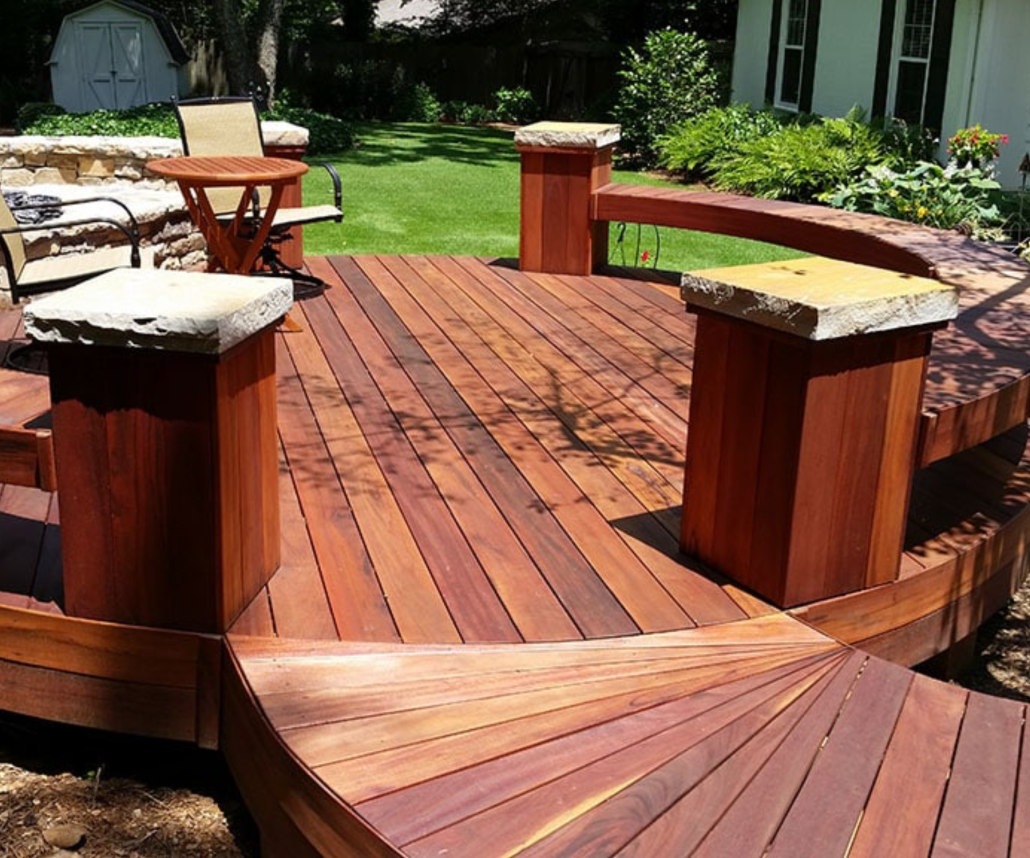
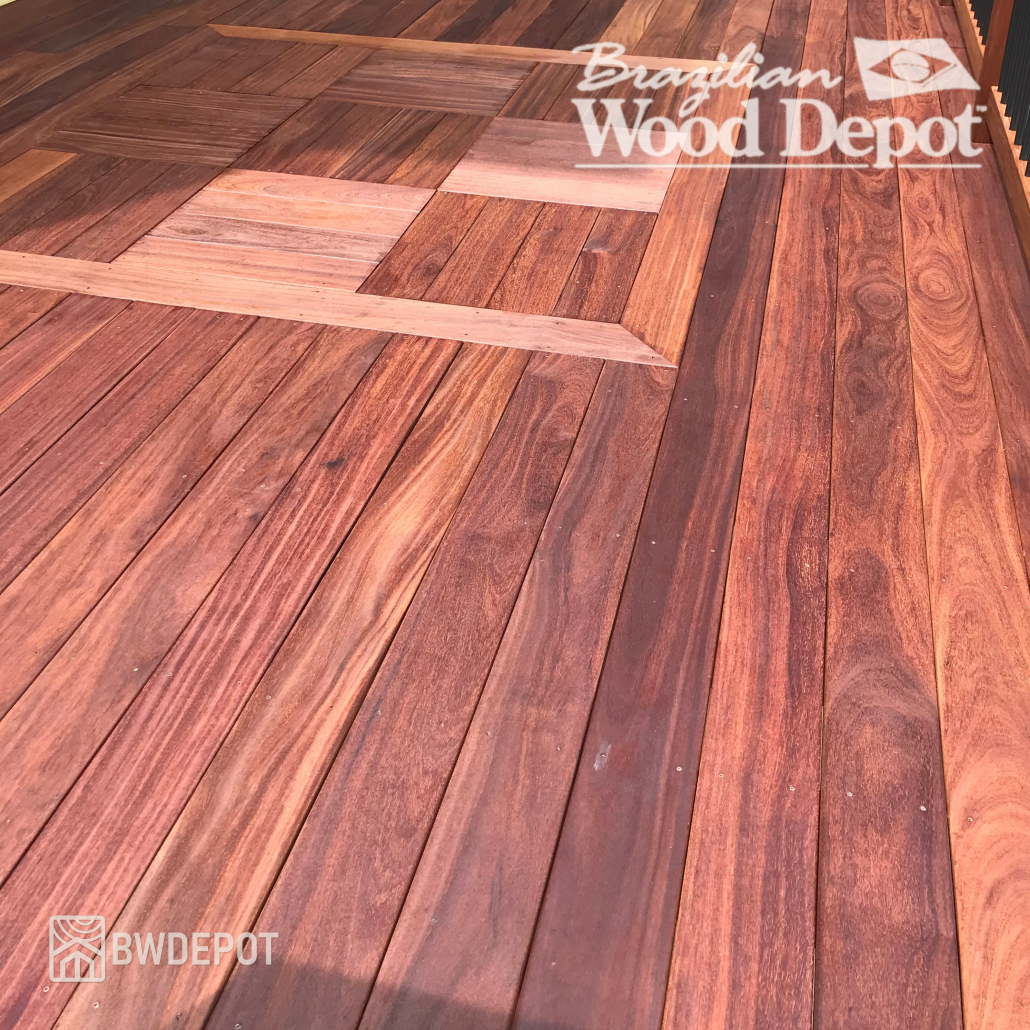
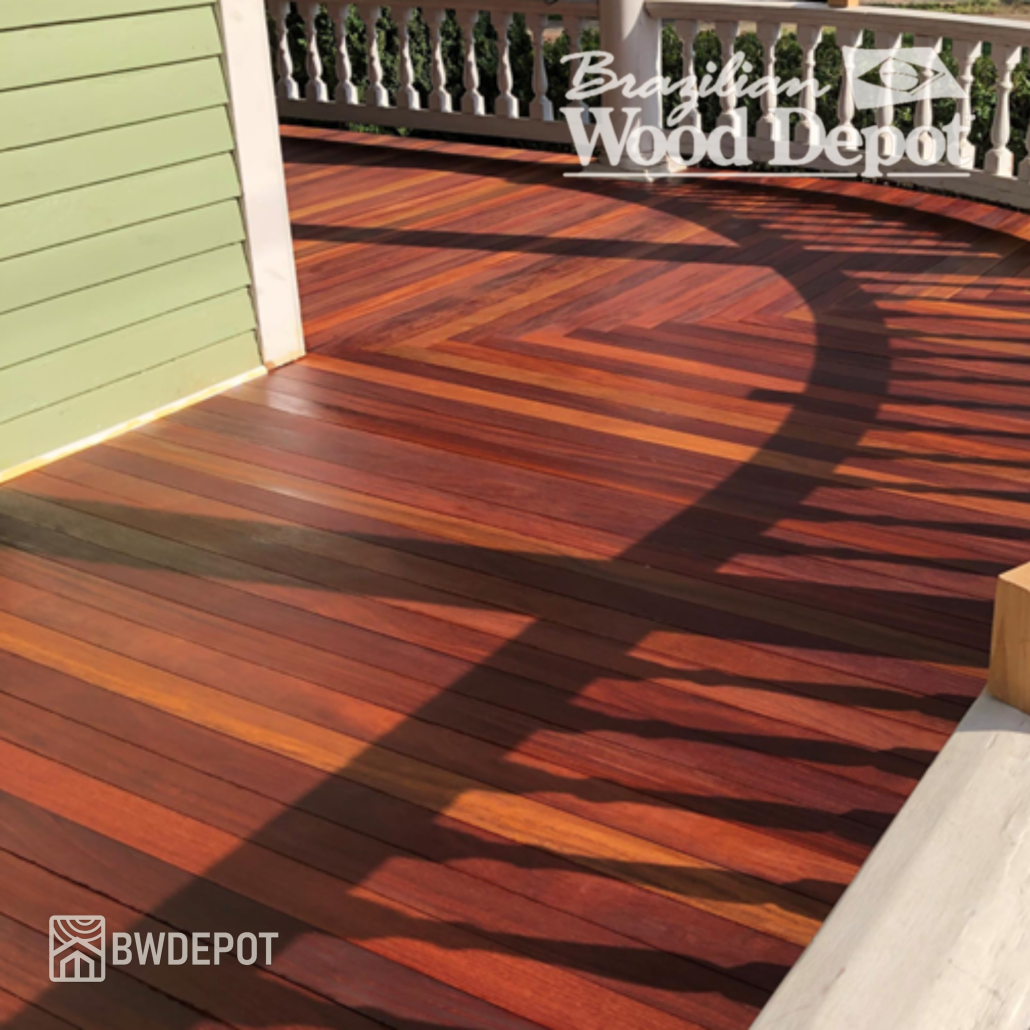
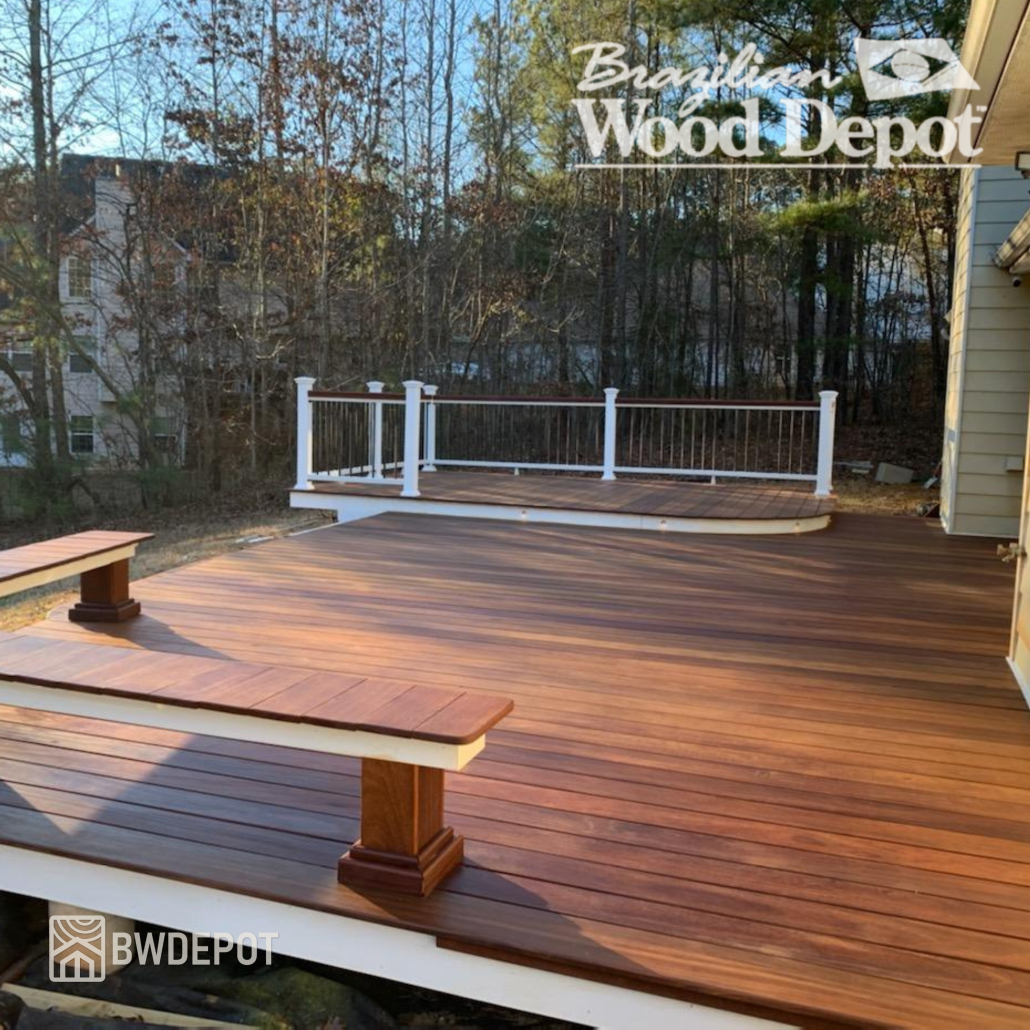
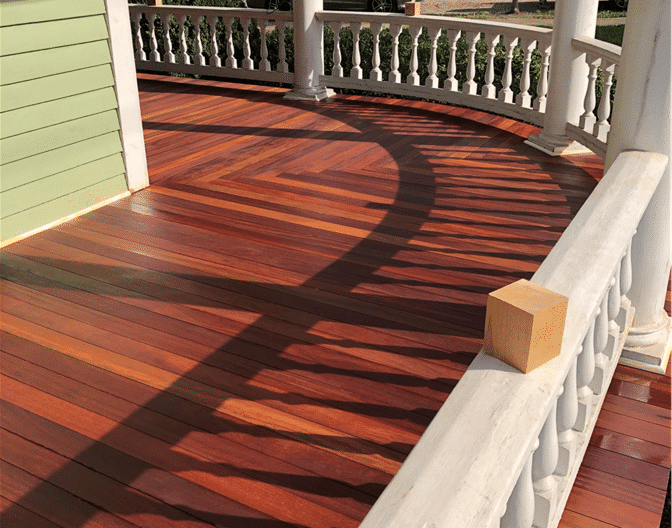
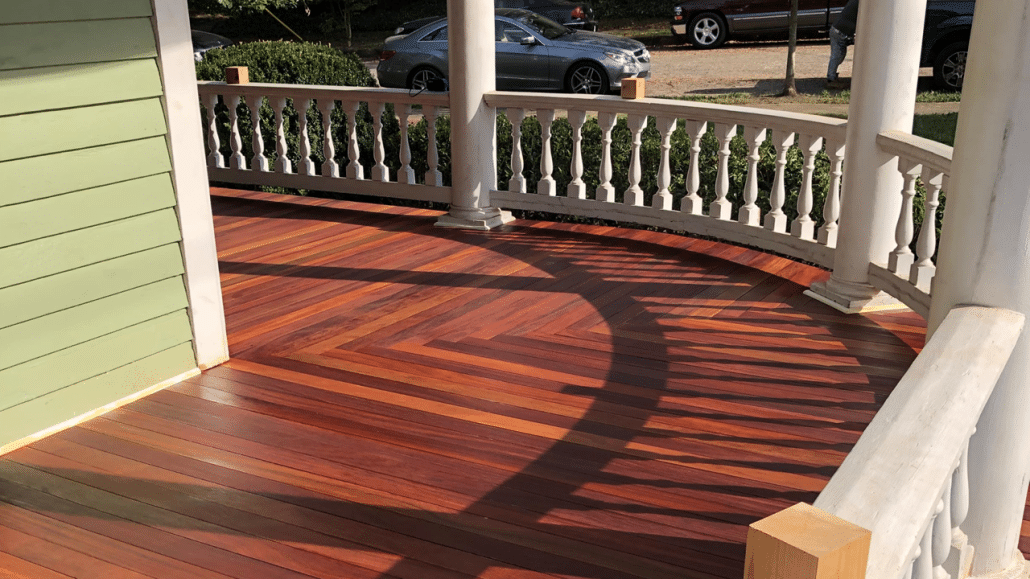
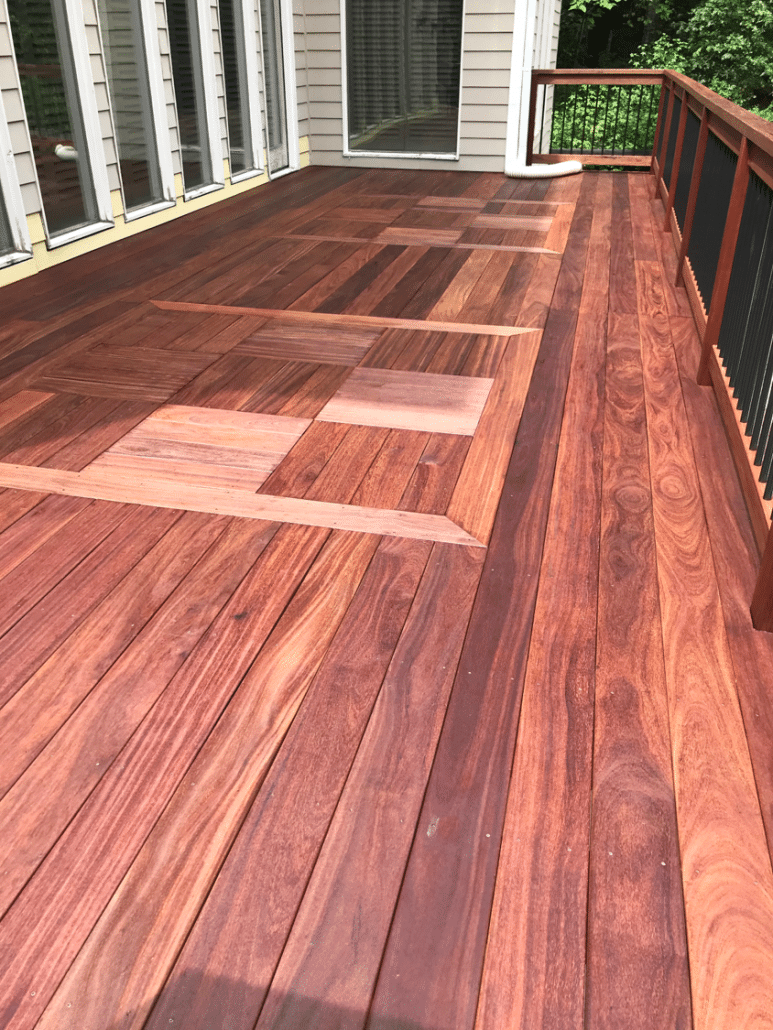
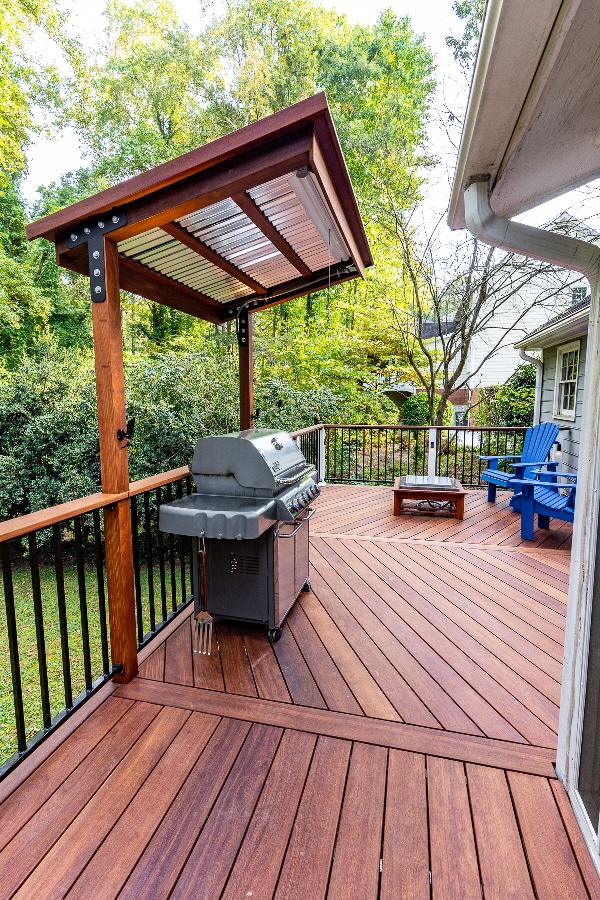
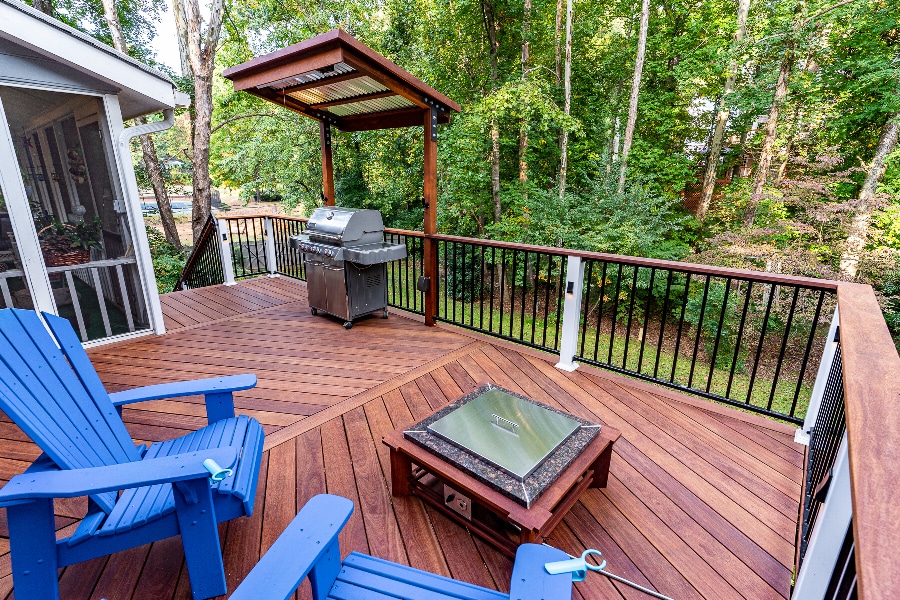
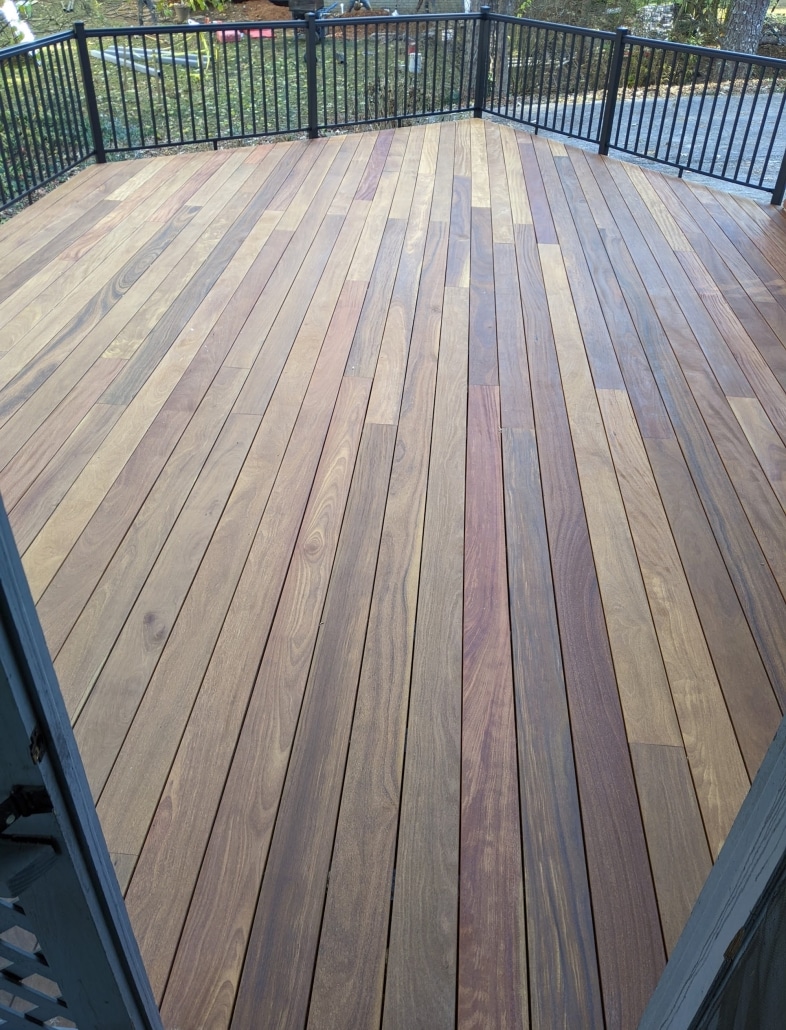
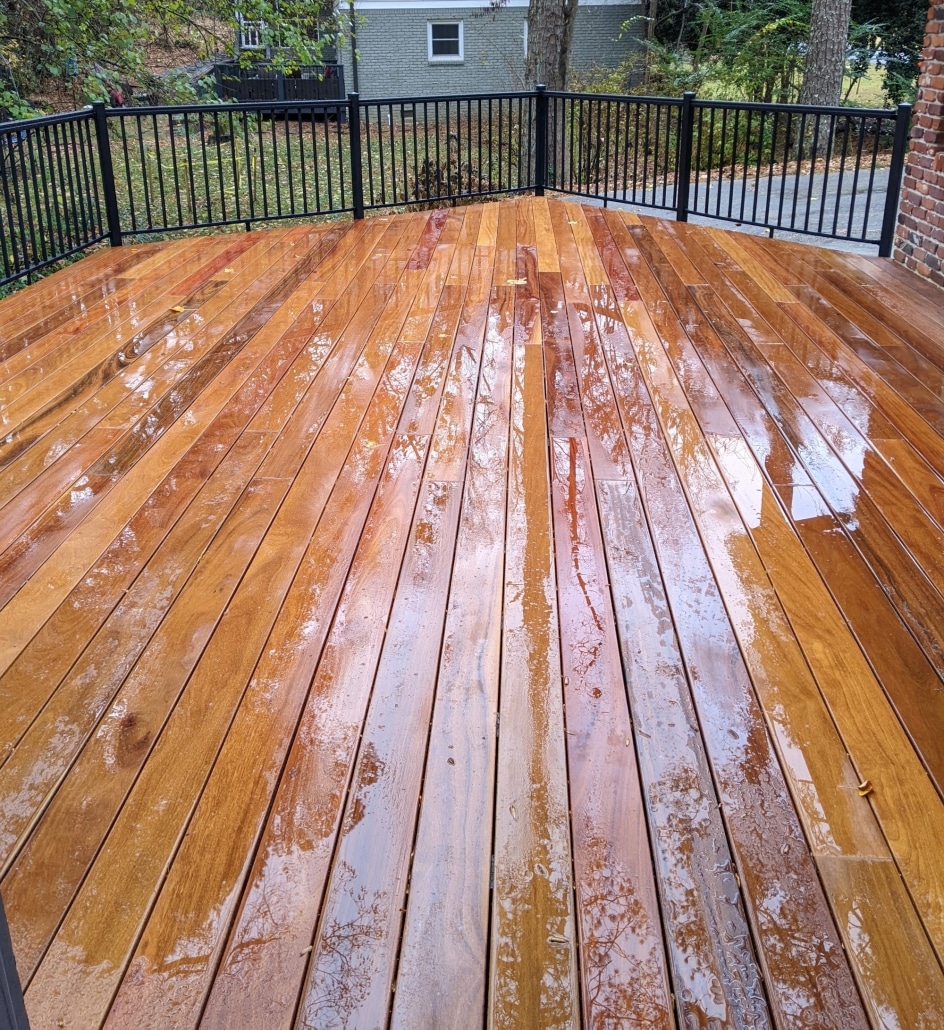
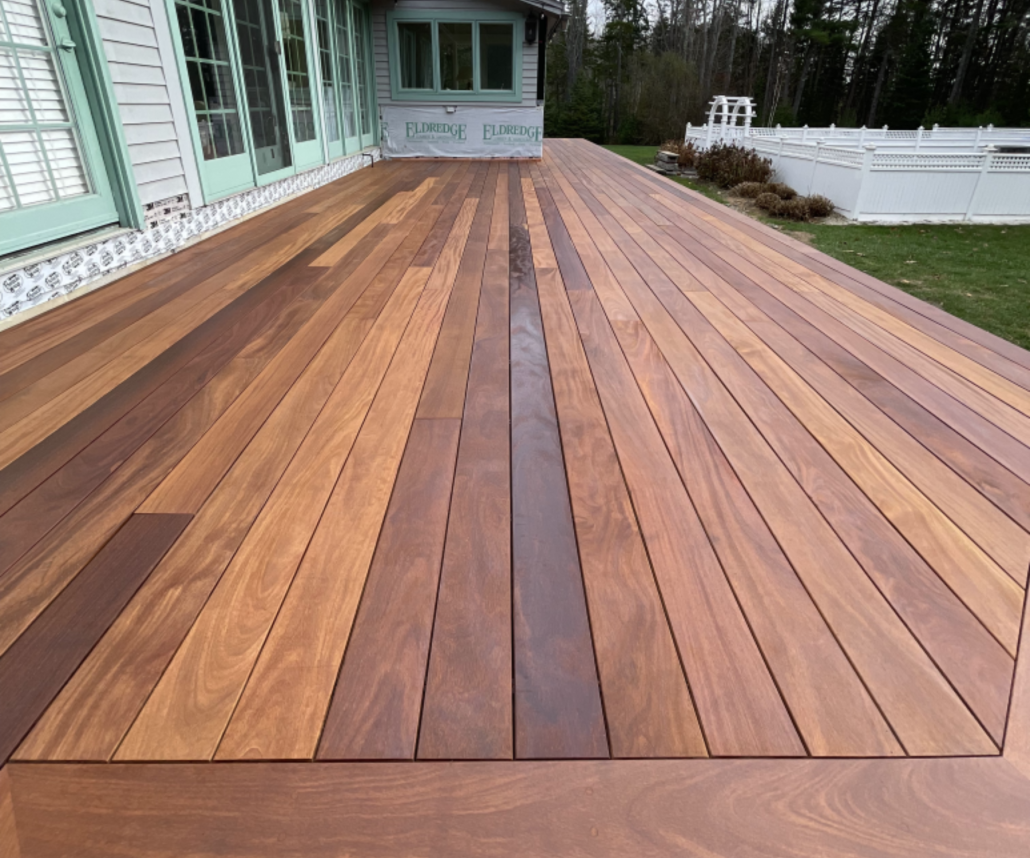
When we refer to Cumaru Red, we are describing loads where the dominant color profile is deep red or reddish-brown. Natural variation is expected, and it is completely normal for Red loads to include lighter golden or brown boards throughout the bundle. The presence of lighter boards does not change the classification if the overall load remains red-dominant.
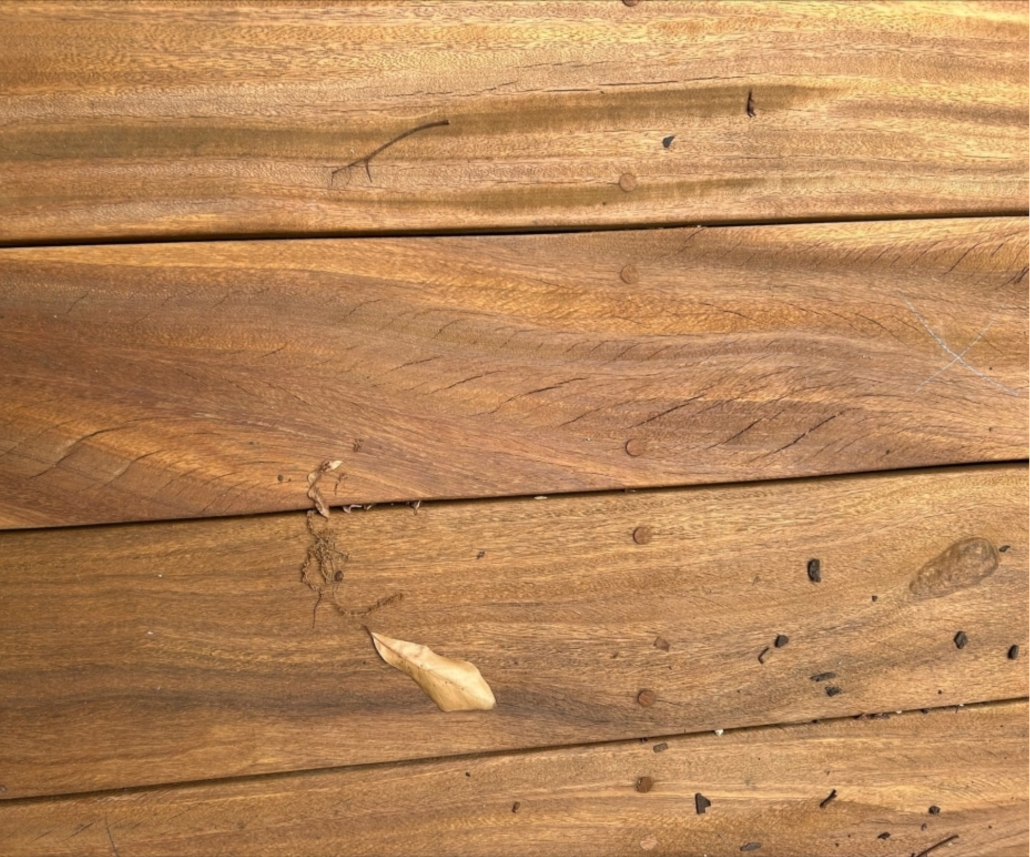
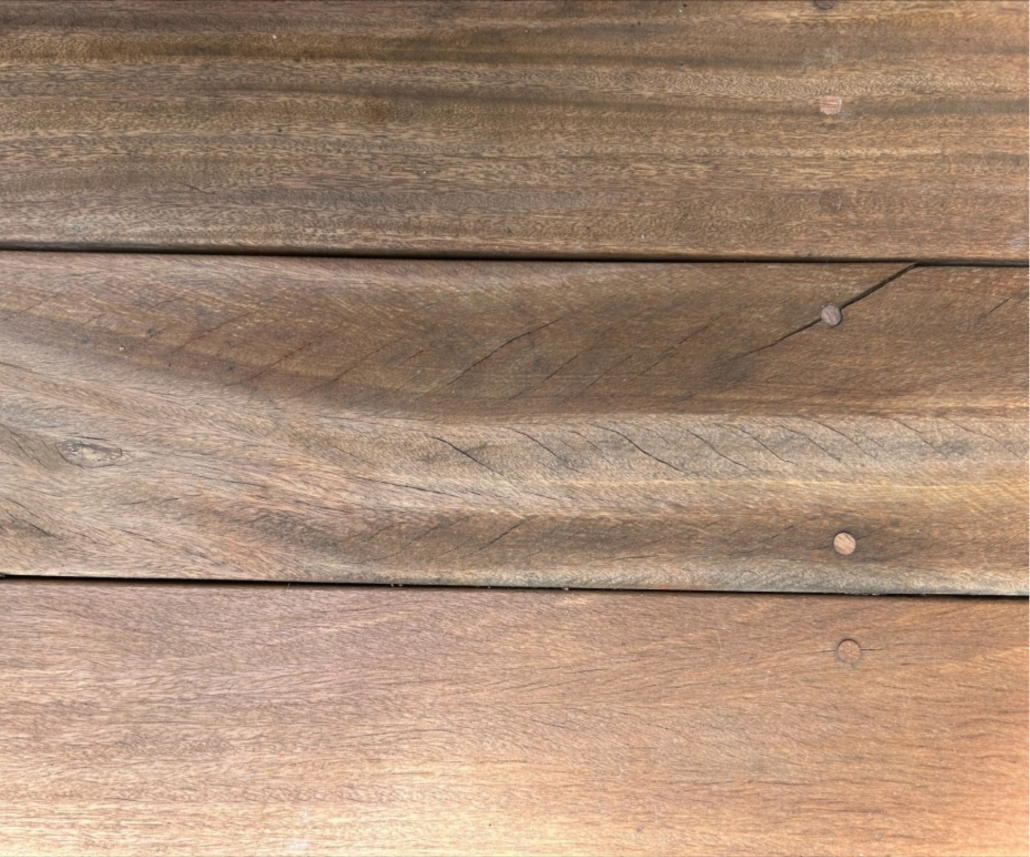
The photos below show Cumaru Red projects with a red-dominant color profile. Keep in mind that without oil — and depending on lighting conditions — the distinction between Red and Gold can appear more subtle than expected.


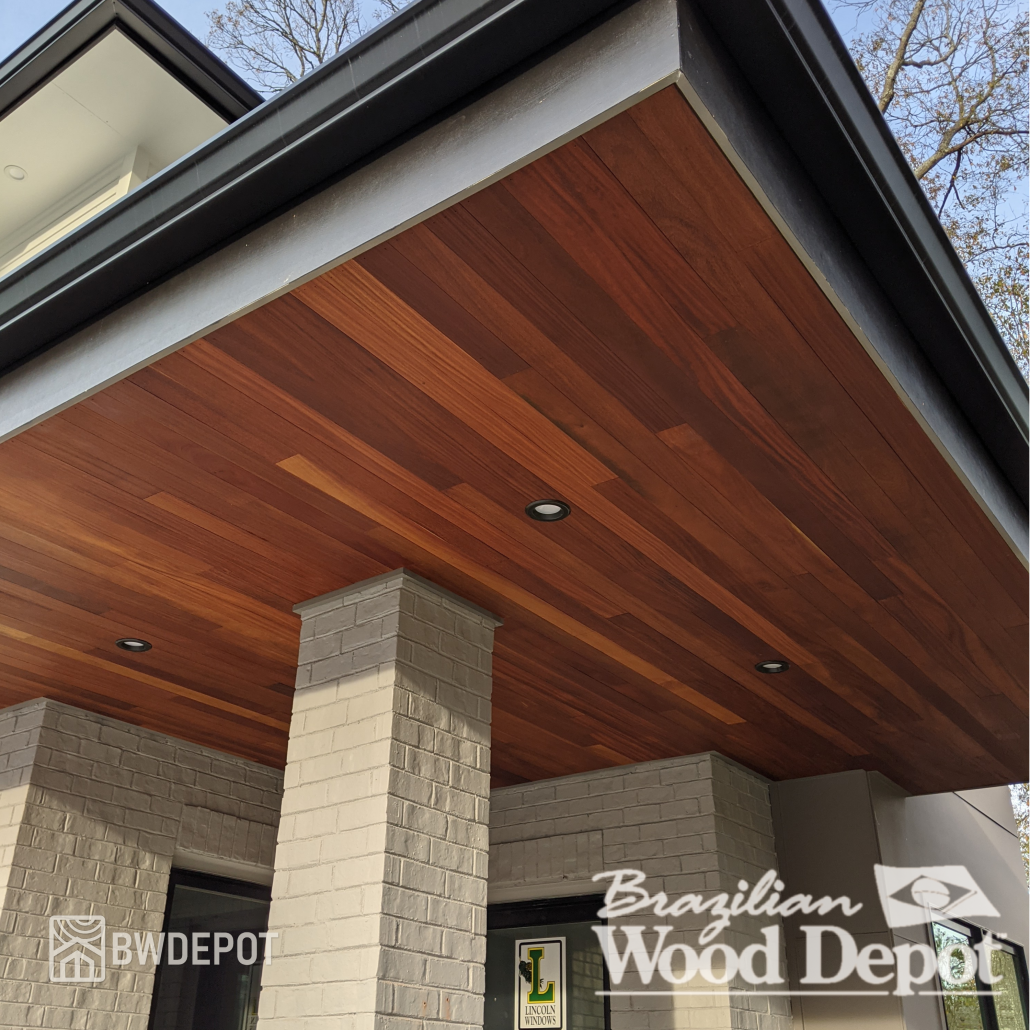
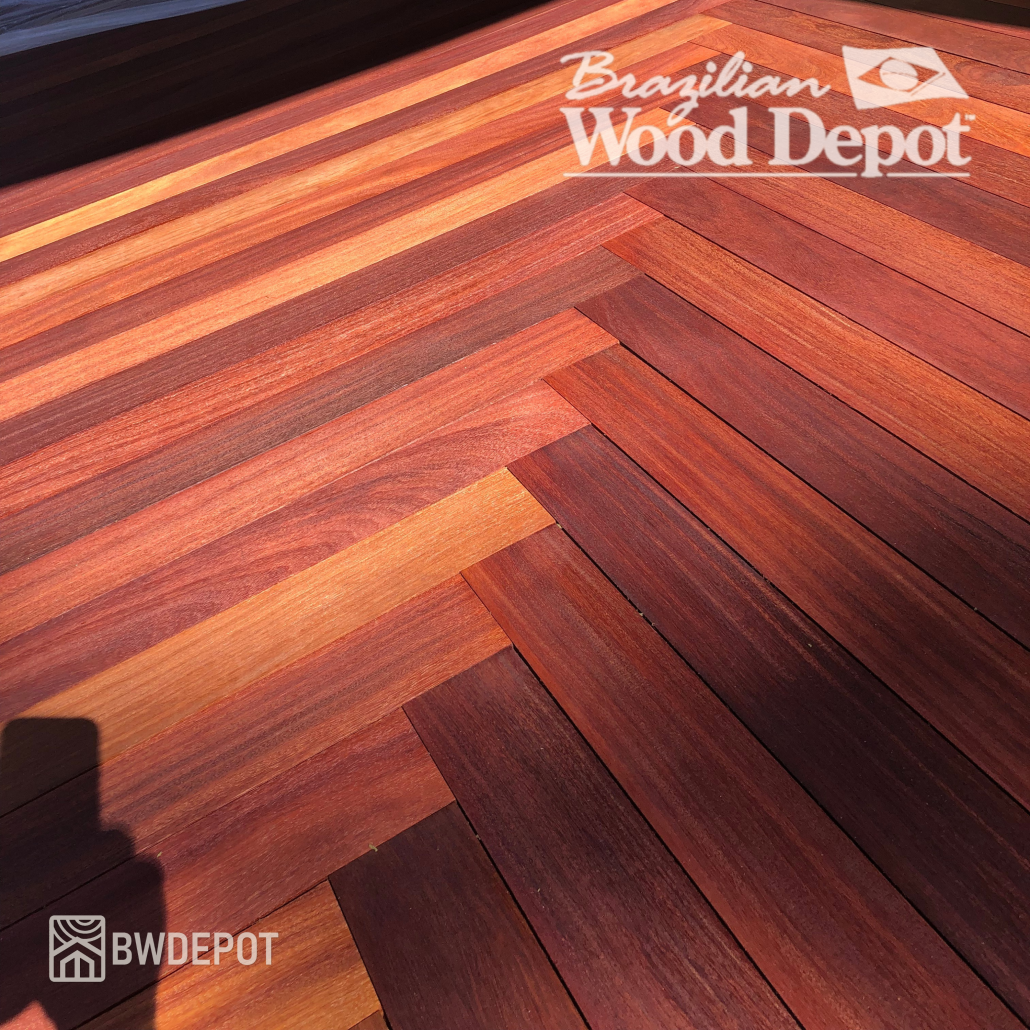
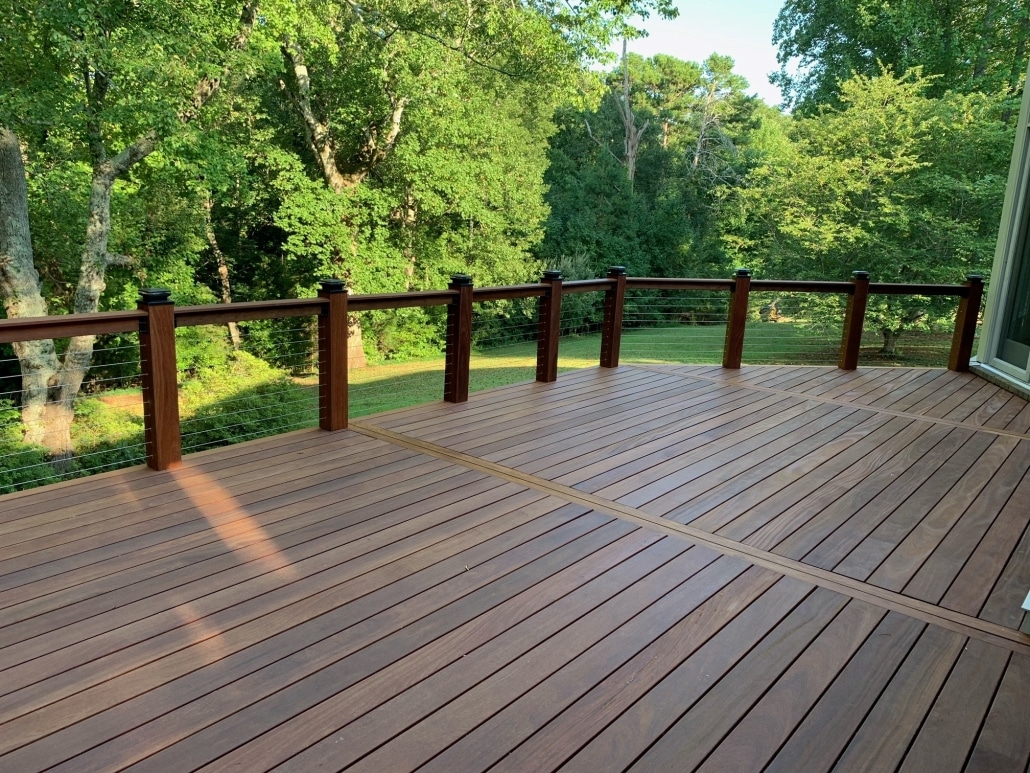
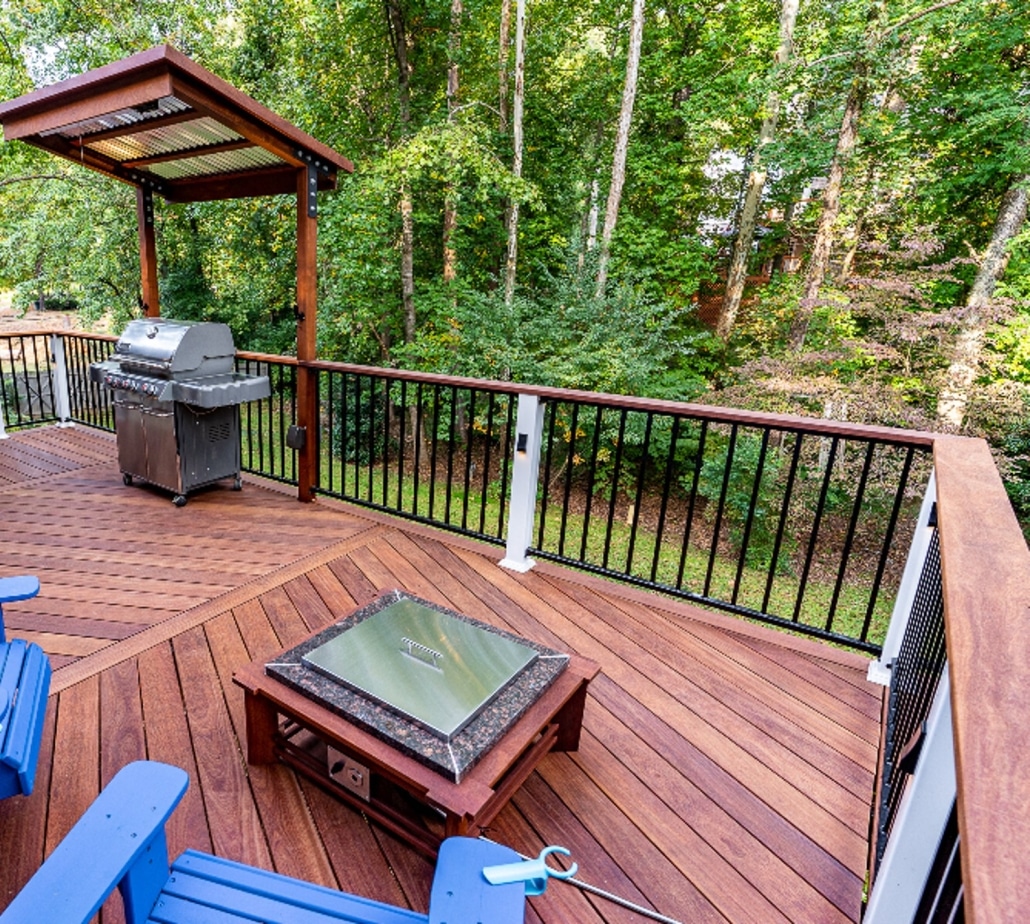
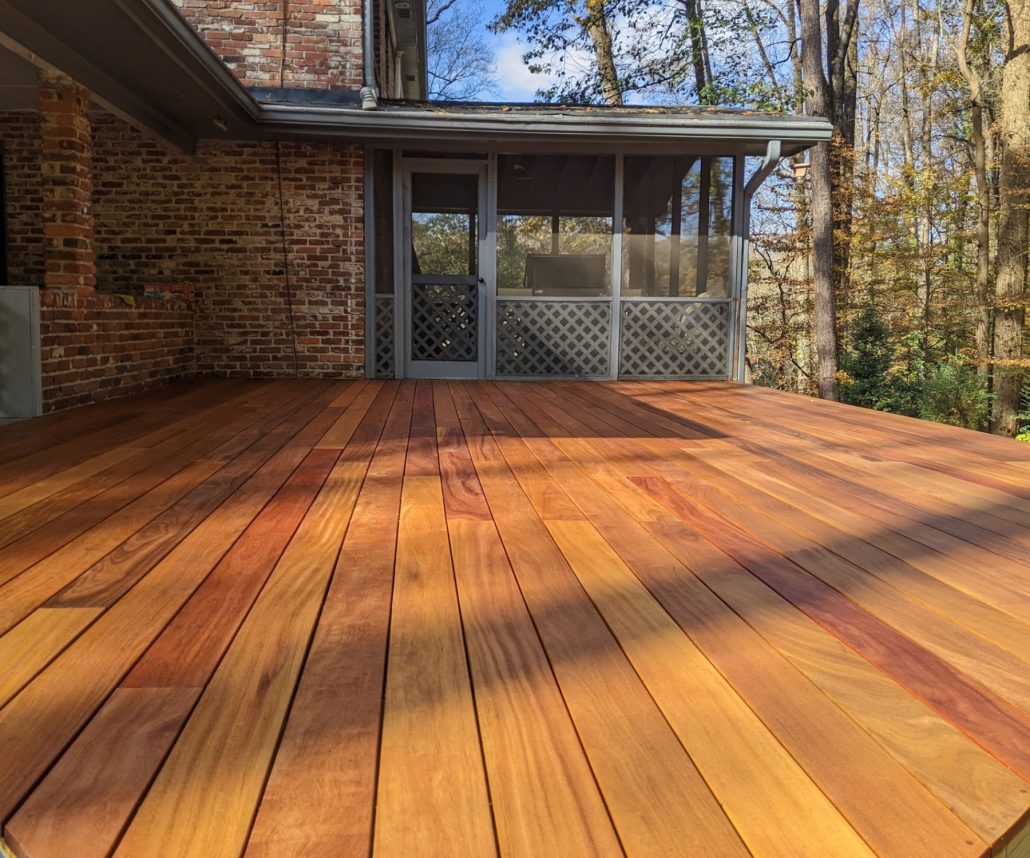
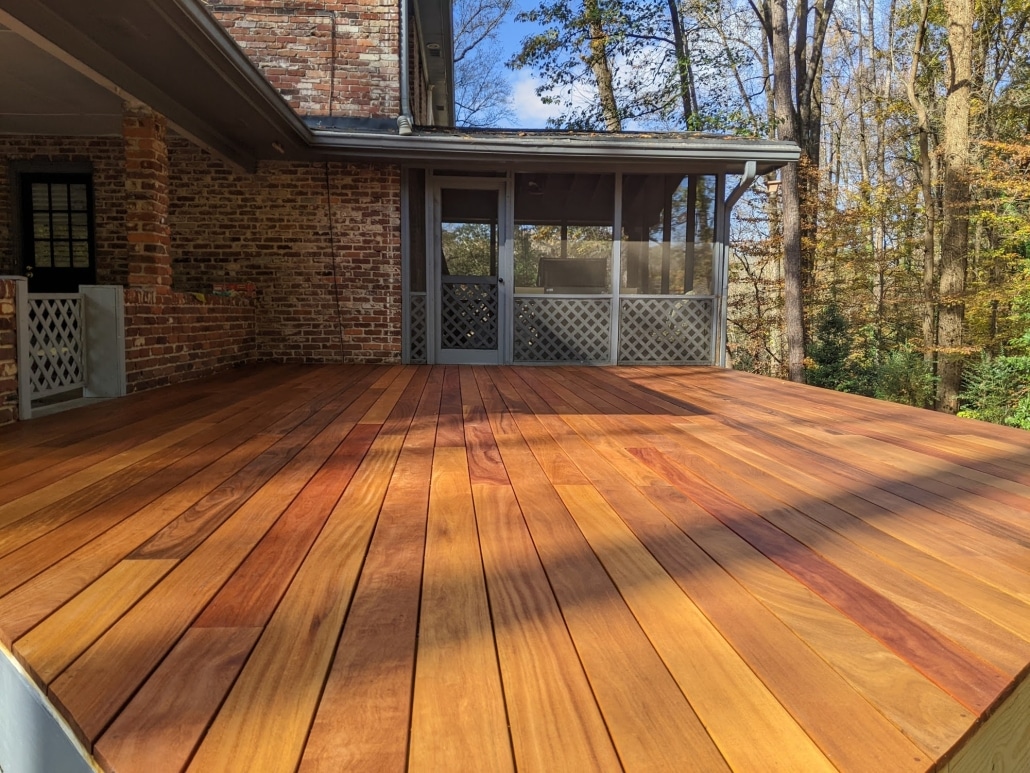
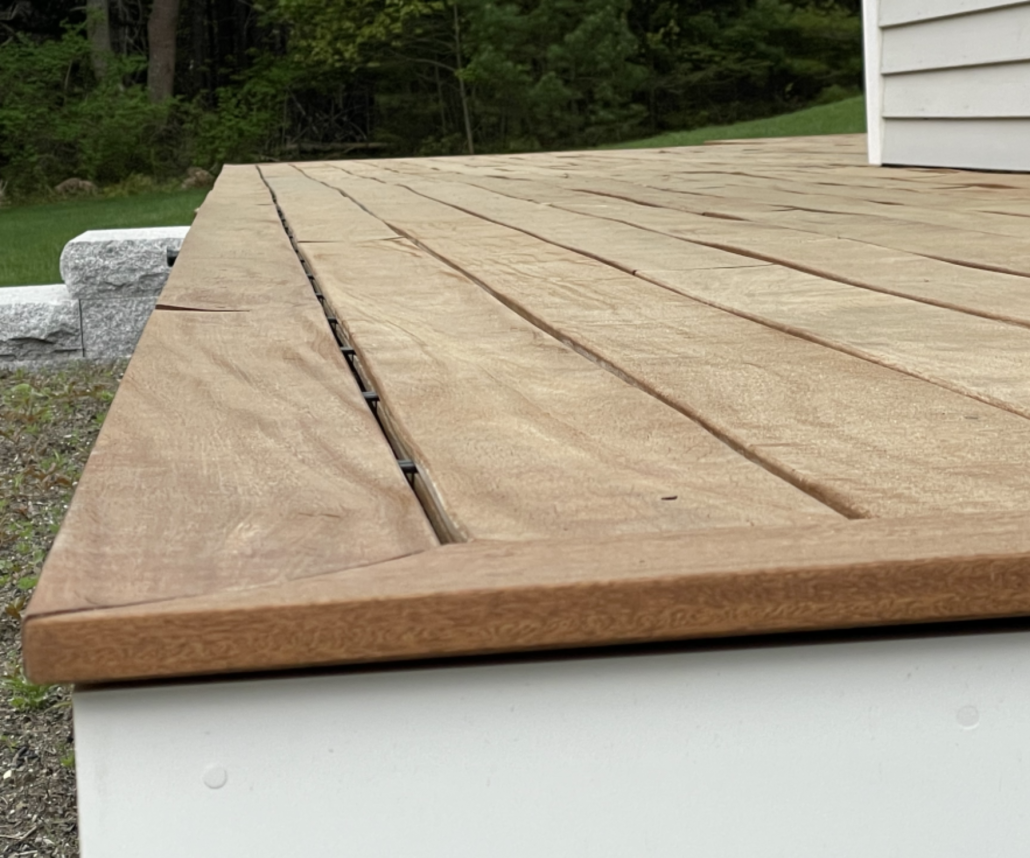
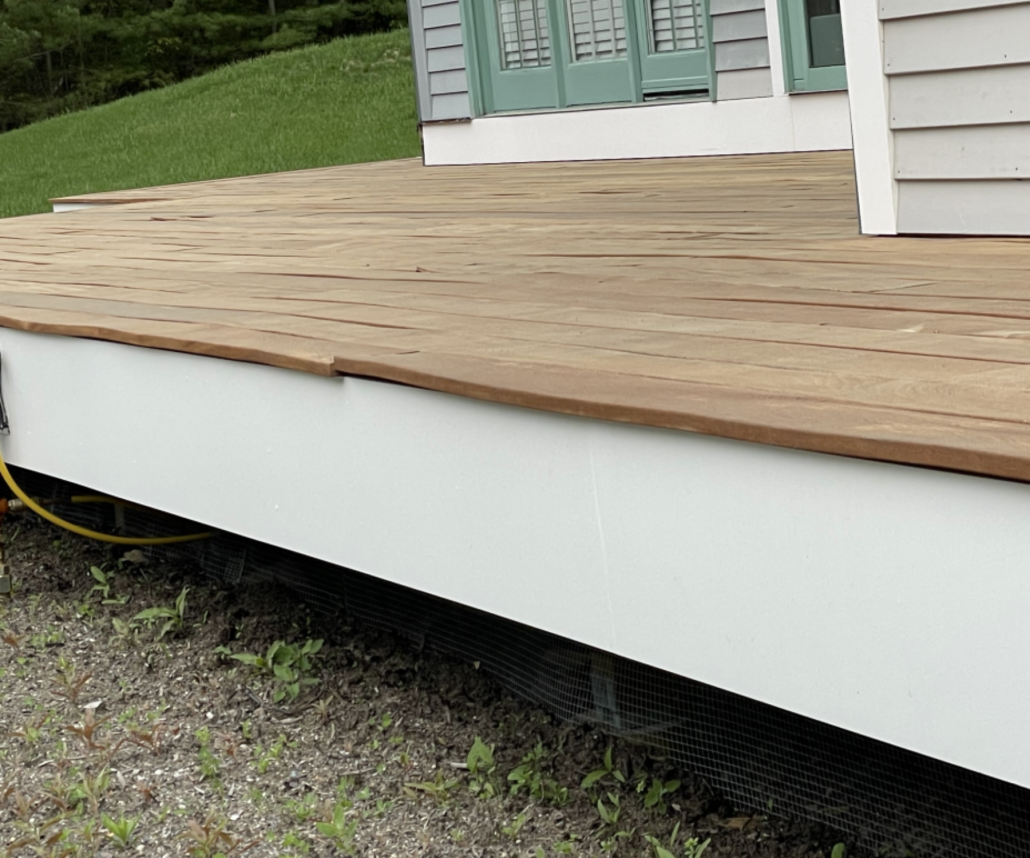
When we refer to Cumaru Gold, we are describing loads where the dominant color profile is golden, tan, or lighter brown. In our experience, Gold-dominant loads have shown higher movement characteristics under certain exposure conditions, particularly in heavy sun and when installed with hidden fastening systems. By “higher movement,” we are referring to increased warping, wave formation along the board length, lifting away from joists, heavier surface checking, and occasional edge instability under heavy sun exposure.
The photos below show Gold-dominant Cumaru projects. In natural light and especially without oil, tonal differences between Gold and Red can sometimes be less dramatic than they appear in side-by-side comparisons.


It is important to understand that color alone does not determine performance. Individual board shade is not a reliable indicator of movement behavior. Our distinction between Red and Gold is based on the dominant color profile of the load and the stability patterns we have observed across similar shipments over time.
In the broader marketplace, many loads are labeled simply as “mixed.” In practice, that term often refers to material that is Gold-dominant in appearance. We separate Red and Gold to provide greater clarity and allow customers to align their material choice with fastening method, exposure conditions, and project expectations.
Dominant means the overall visual impression of the bundle is clearly red or gold-toned when viewed as a whole, even though natural variation remains.
What Changed in the Market
The shift is not that Cumaru “declined” as a species. The shift is that Cumaru Gold now dominates the majority of imports, whereas historically deeper red loads were more common.
Today, many shipments arrive labeled as “mixed,” but those loads are typically Gold-dominant in appearance and lack the consistently red-dominant profile historically common in the U.S. market.
Regardless of the underlying cause, today’s U.S. imports are more frequently Gold-dominant than they were historically — and that shift carries performance implications in certain environments.
For visual reference of how Cumaru presents across real projects, the Cumaru resource page provides photo examples and long-term weathering comparisons.
Documented Performance Risks with Gold Cumaru
It’s important to speak plainly about the risks. The performance concerns historically discussed in our prior customer advisory — including warping, wave development, heavier checking, and rare splintering — are observations that apply specifically to Cumaru Gold under certain exposure conditions.
In documented field cases involving Gold-dominant material, we have observed instability patterns consistent with increased warping, wave formation, lifting from joists, heavier checking, and occasional edge stress. These concerns apply specifically to Gold-dominant loads under certain exposure conditions.
These conditions do not occur in every installation. However, they occur frequently enough with Gold that we believe customers deserve full transparency before choosing fastening methods and exposure environments.